Tanzania is one of Africa’s most celebrated safari destinations — a place where untamed wilderness, breathtaking scenery, and incredible wildlife combine to create life-changing adventures. From the iconic plains of the Serengeti to the lush crater floor of Ngorongoro, Tanzania offers two distinct safari experiences that appeal to different types of travelers: the Great Migration Safari and the Classic (or Regular) Safari.
While both offer unforgettable moments in the wild, they differ in timing, focus, atmosphere, and cost. Understanding these differences will help you plan your dream journey with confidence.
At Biko Adventures Tours, we’ve guided countless travelers through both types of safaris — and in this blog, we’ll help you understand each experience in depth, so you can decide which one fits your travel goals, budget, and sense of adventure.
What Is a Classic or Regular Safari in Tanzania?
A Classic Safari — also known as a regular or traditional safari — focuses on exploring Tanzania’s most famous parks and reserves without necessarily following the Great Migration. It’s an experience defined by diversity: a mix of landscapes, ecosystems, and wildlife encounters that can be enjoyed any time of the year.
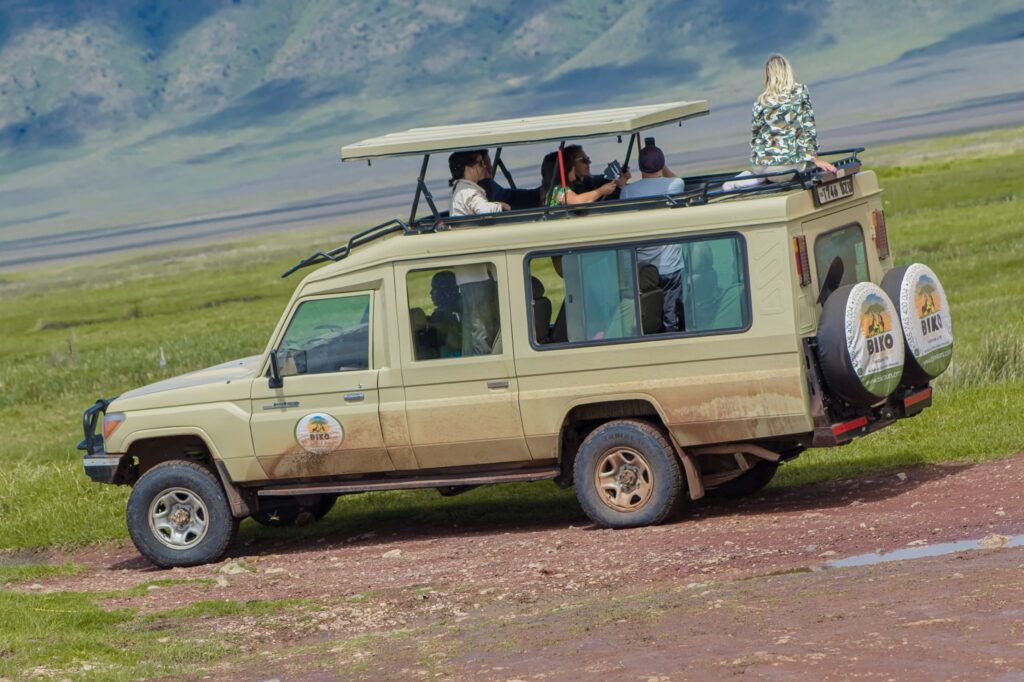
The classic safari route usually includes the Northern Safari Circuit, home to Tanzania’s most iconic destinations: Serengeti National Park, Ngorongoro Crater, Tarangire National Park, and Lake Manyara National Park.
Whether you’re watching elephants beneath towering baobabs, spotting lions lounging in the shade, or admiring flamingos shimmering on the lake’s surface — every moment feels like a discovery.
Key Parks on the Northern Safari Circuit
Serengeti National Park (Central and Southern Areas)
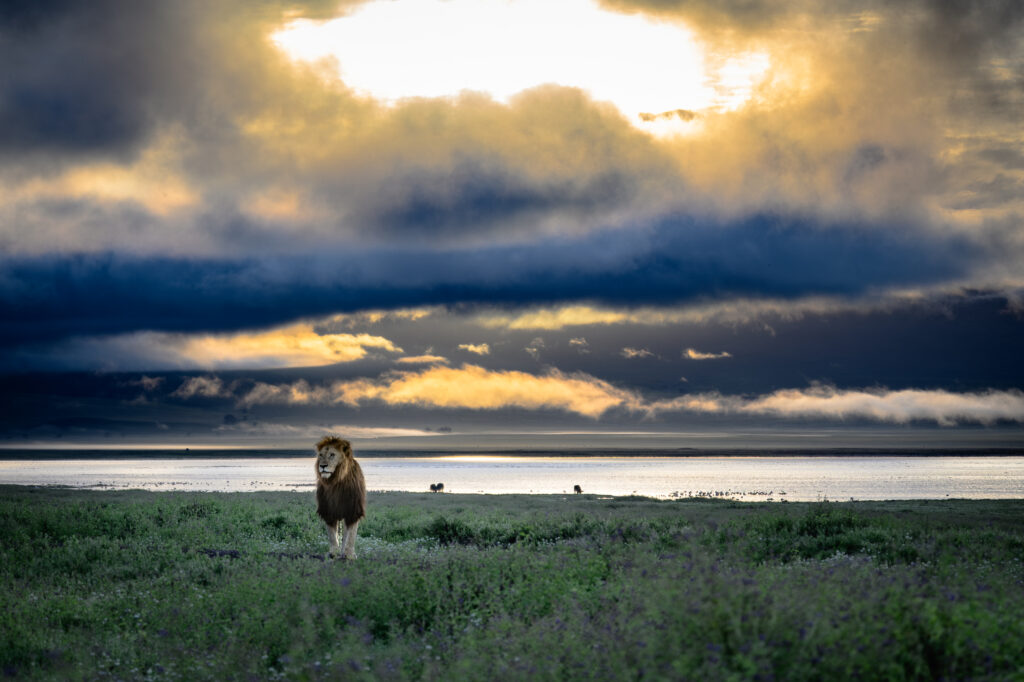
The heart of Africa’s safari experience, the Serengeti is a year-round wildlife haven. Even when the migrating herds are in other regions, the park’s resident animals — lions, leopards, elephants, buffaloes, and rhinos — provide spectacular game viewing.

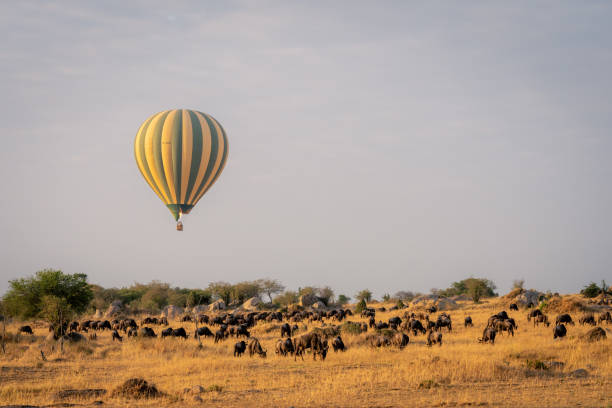
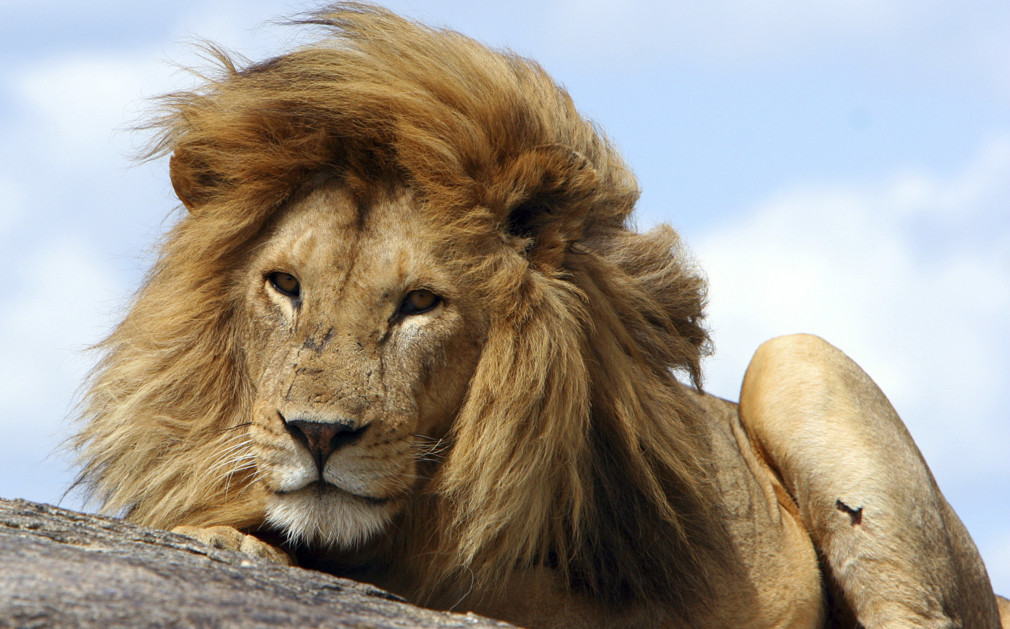
The Central Serengeti (Seronera Area) is particularly known for its abundant wildlife and predator activity. Open plains, scattered acacia trees, and dramatic sunsets make it one of Africa’s most photogenic destinations.
Ngorongoro Crater
Often called the “Eighth Wonder of the World,” the Ngorongoro Crater is a UNESCO World Heritage Site and a must-visit destination. This vast volcanic caldera shelters over 25,000 animals, including elephants, rhinos, hippos, zebras, lions, and flamingos.
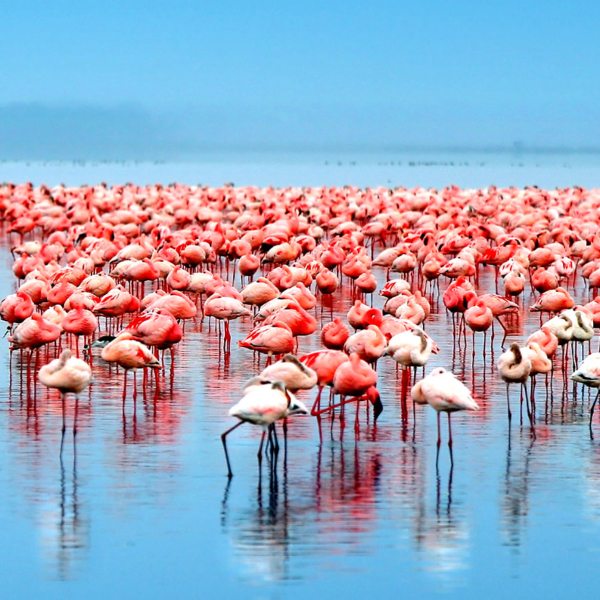
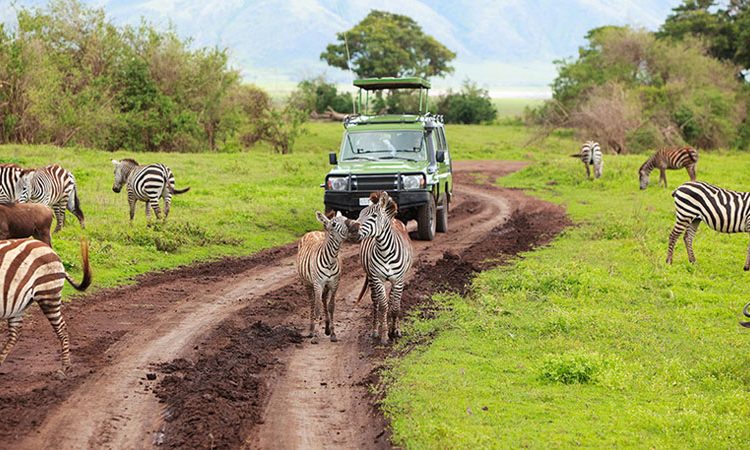
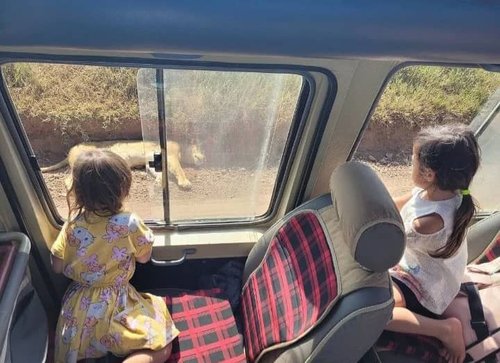
Because of its enclosed ecosystem and permanent water sources, game viewing here is exceptional year-round. Standing on the crater rim, you’ll be treated to one of the most breathtaking views in Africa.
Tarangire National Park
Tarangire is known for its timeless beauty — a landscape dominated by ancient baobab trees and home to one of the largest elephant populations in northern Tanzania. During the dry season (June to October), thousands of animals, including giraffes, zebras, wildebeest, and buffalo, gather around the Tarangire River.
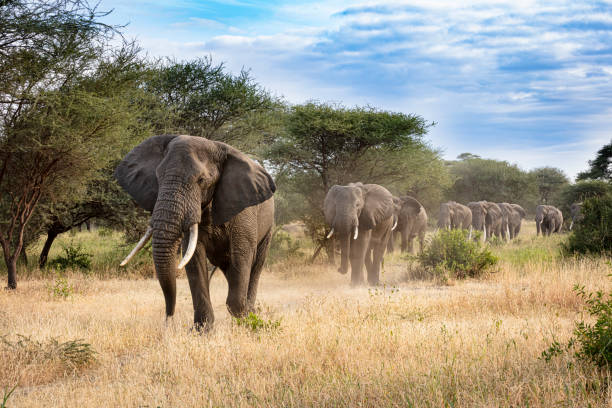
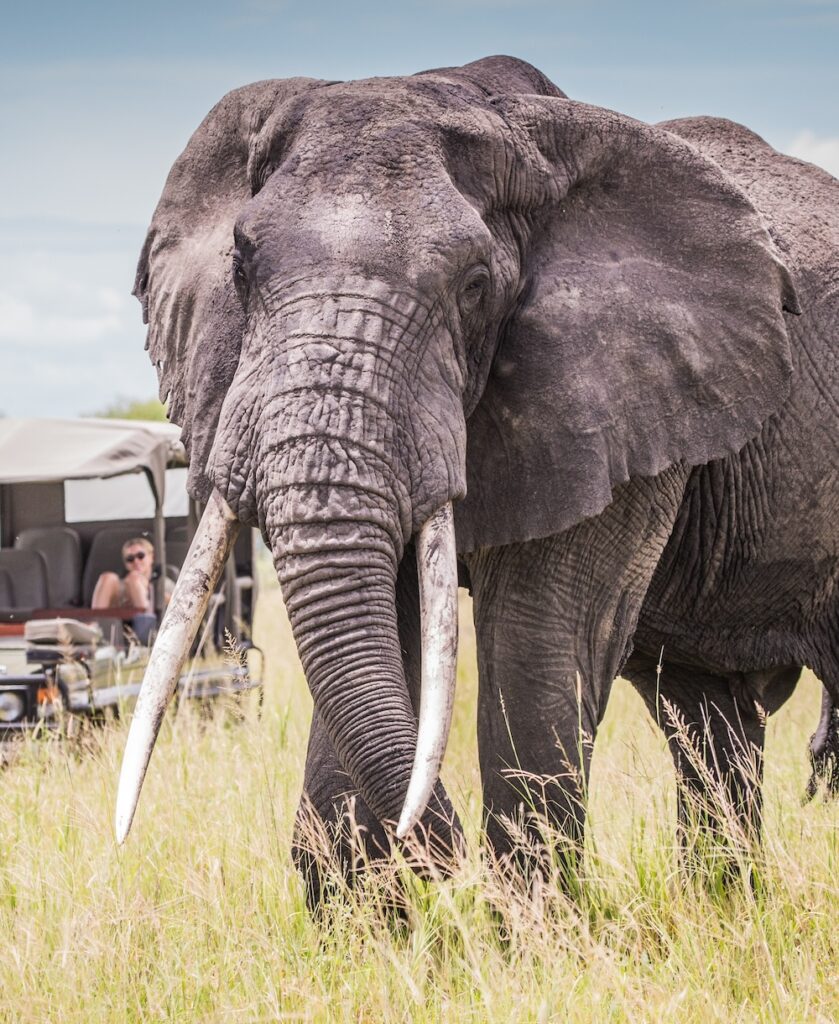
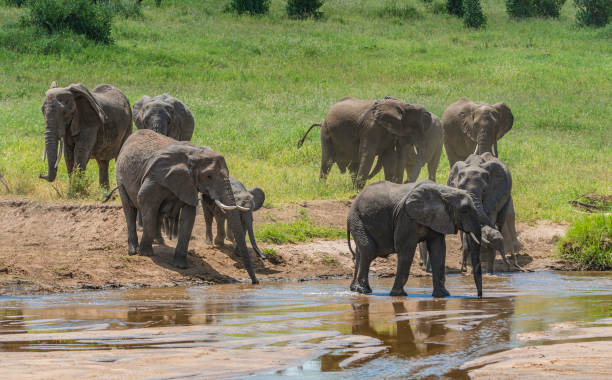
It’s a quieter park compared to Serengeti or Ngorongoro, offering a more intimate and less-crowded experience.
Lake Manyara National Park
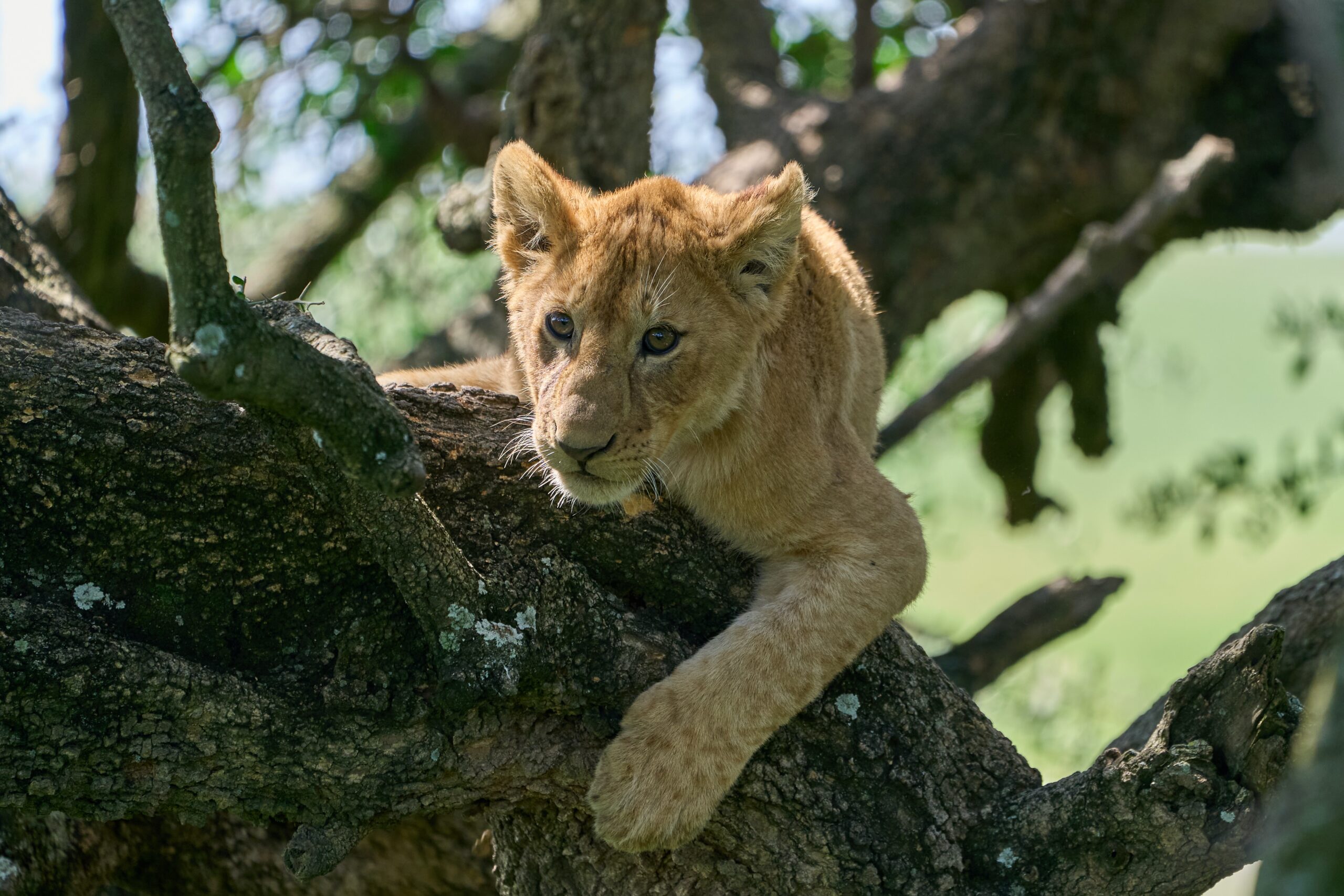
Nestled at the base of the Rift Valley escarpment, Lake Manyara is a compact but enchanting park famous for its tree-climbing lions, flamingos, and hippos. The park is also a birdwatcher’s paradise, with over 400 recorded species.
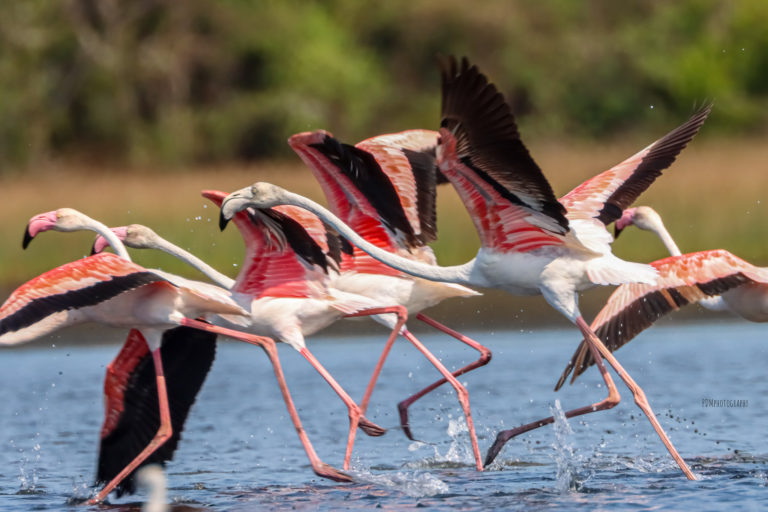
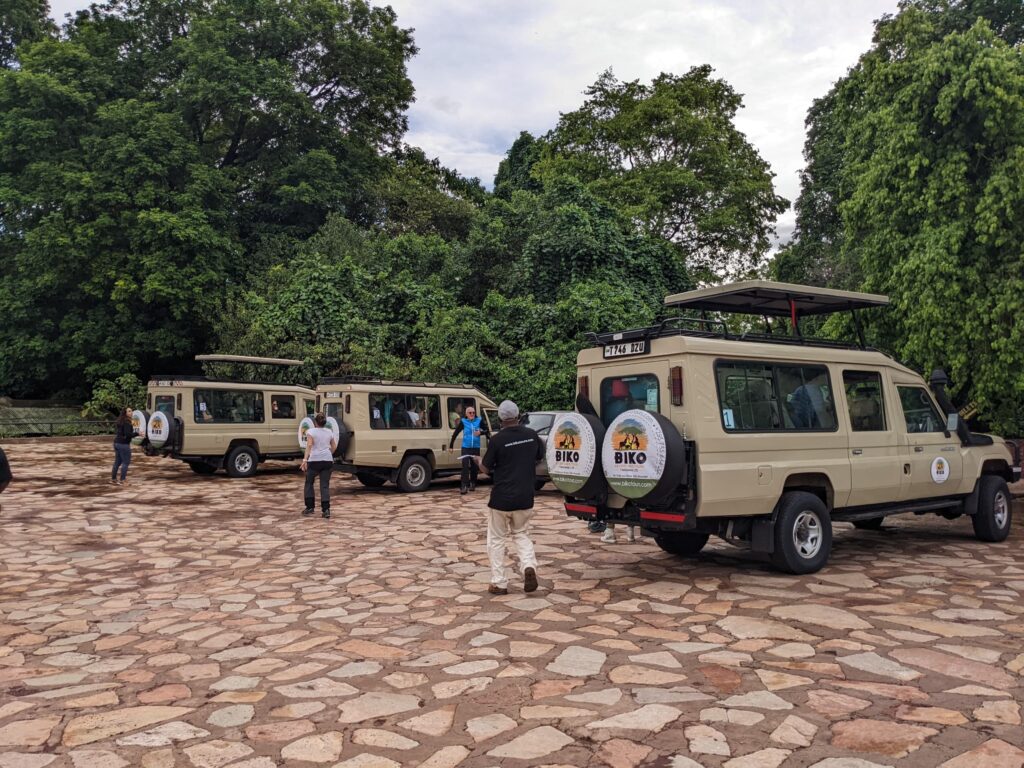
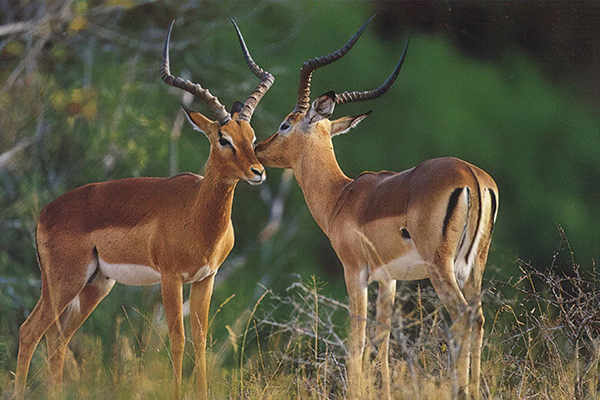
Its lush forests, hot springs, and shimmering lake make it an ideal stop for travelers seeking variety in scenery and wildlife.
Beyond the Northern Circuit – Tanzania’s Hidden Gems
If you’re an adventurer seeking seclusion and pristine wilderness, consider Tanzania’s lesser-known safari routes:
- Southern Circuit: Home to Ruaha National Park, Mikumi National Park and Nyerere National Park (formerly Selous Game Reserve) — vast and wild, these parks offer thrilling off-the-beaten-path safaris with fewer vehicles and authentic bush experiences.
- Western Circuit: Includes Katavi National Park and Mahale Mountains National Park, where you can track wild chimpanzees and witness untouched natural beauty rarely seen by most travelers.
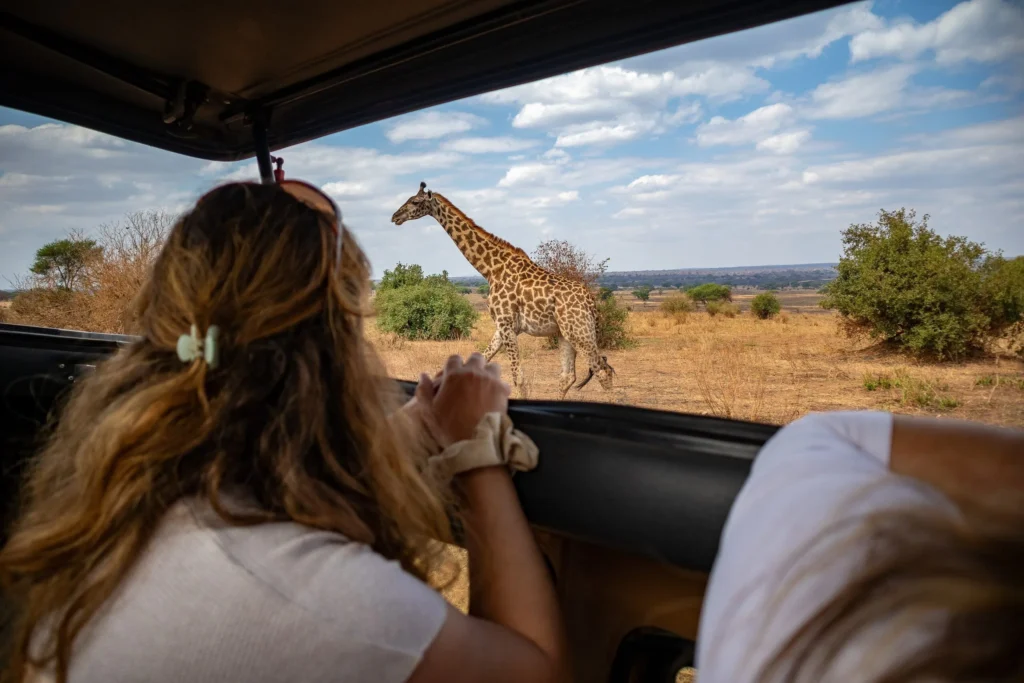
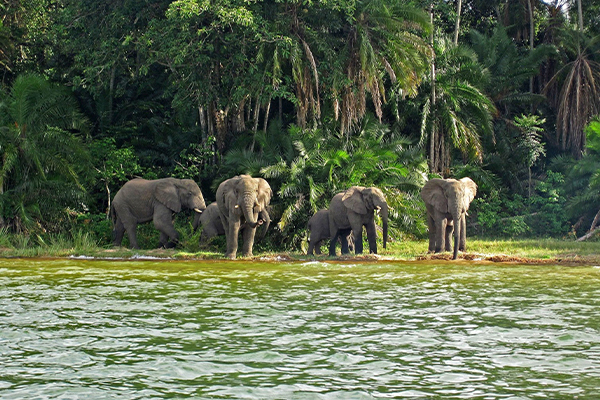

A Classic Safari with Biko Adventures Tours allows you to combine these destinations seamlessly — offering both iconic sights and hidden treasures for a complete Tanzanian adventure.
What Is a Great Migration Safari?
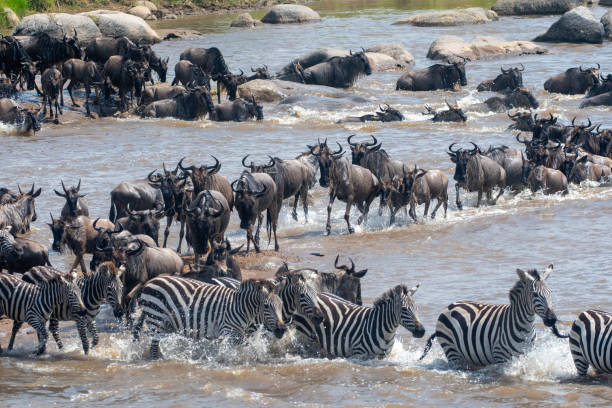
A Great Migration Safari is built around witnessing one of nature’s most awe-inspiring spectacles — the annual movement of over 1.5 million wildebeest, hundreds of thousands of zebras, and gazelles across the Serengeti–Mara ecosystem.

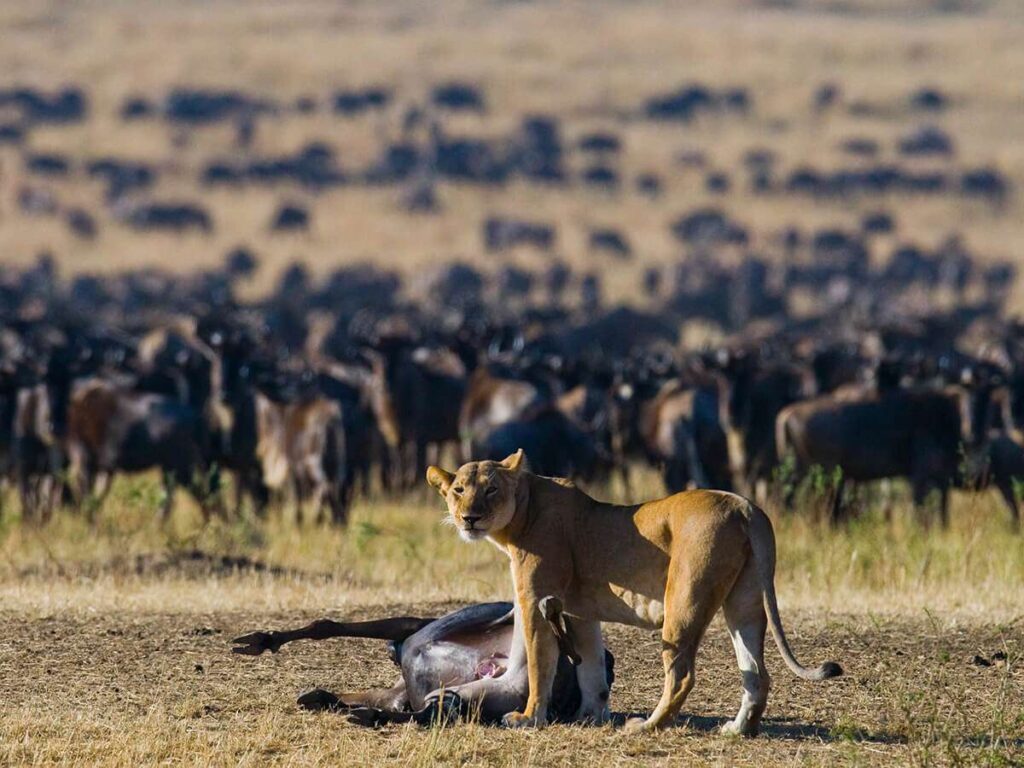
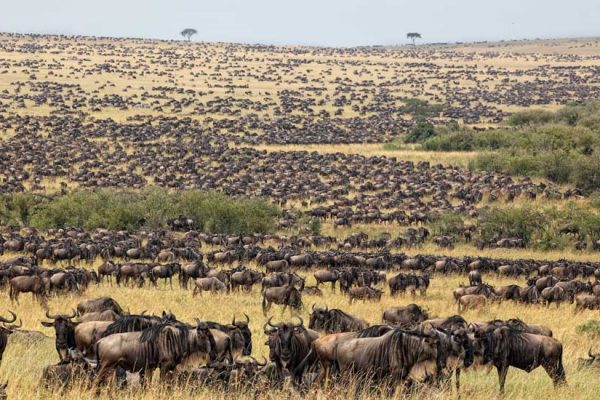
This endless cycle of life and survival follows the seasonal rains, as animals move in search of fresh grazing grounds. It’s a raw and emotional experience — filled with the drama of predator-prey interactions, thunderous hoofbeats, and sweeping views of the African savannah.
The Key Phases of the Great Migration
1. Calving Season (January – March) – Southern Serengeti & Ndutu Plains
This is when life begins. Around half a million calves are born on the lush southern plains every year. Predators such as lions, cheetahs, and hyenas are drawn to this abundance of easy prey, leading to incredible wildlife action.
It’s also the most beautiful time for photography — vibrant green landscapes, soft light, and countless newborn animals.
2. Grumeti River Crossings (April – June) – Western Corridor
As the rains fade, the herds move northwest, crossing the Grumeti River. This stage is less famous than the Mara crossings, but equally thrilling. Expect dramatic scenes as wildebeest navigate crocodile-filled waters and steep riverbanks.
This period also offers fewer crowds, making it ideal for travelers seeking a balance between excitement and tranquility.
3. Mara River Crossings (July – October) – Northern Serengeti
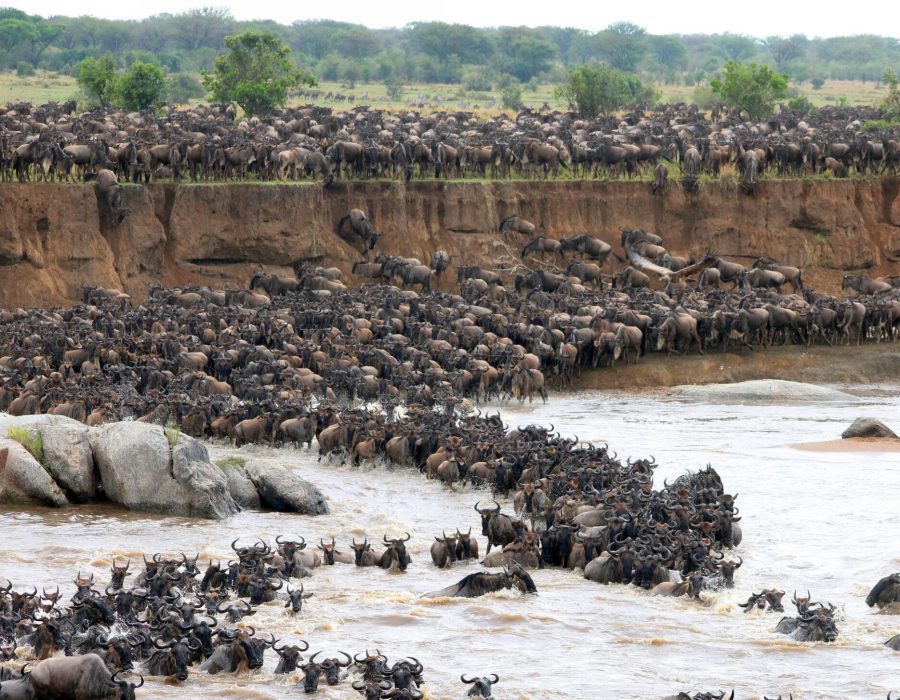
The Mara River crossings are the most dramatic chapter of the Great Migration. Herds gather by the riverbanks, waiting for the first brave animals to leap into the water — triggering a breathtaking stampede across crocodile-infested waters.
This is pure wilderness at its most powerful. If witnessing this spectacle is on your bucket list, planning is crucial to ensure you’re in the right place at the right time.
4. Return Journey (November – December) – Back to Southern Serengeti
As rains return to the south, the herds make their way back to the Ndutu and southern Serengeti plains. The landscape rejuvenates, and the cycle begins again — symbolizing the eternal rhythm of nature.
Comparing the Two Experiences
A. Classic Safari in Tanzania
Highlights
- Year-Round Adventure: You can visit any time of the year and still enjoy excellent game viewing.
- Diverse Landscapes: From the grasslands of Serengeti to the crater floor of Ngorongoro and the forests of Manyara, every park tells a different story.
- Peaceful & Flexible: You can travel at your own pace, avoiding peak-season crowds.
- Budget-Friendly: Regular safaris offer more affordable options for travelers.
Considerations
- You may miss the migration spectacle — the mass movement and dramatic crossings.
- Wildlife concentration may vary depending on the season and rainfall.
B. Great Migration Safari
Highlights
- Witness a Natural Wonder: The largest terrestrial migration on Earth, filled with breathtaking movement and emotion.
- Unmatched Predator Encounters: With millions of herbivores on the move, predators like lions and cheetahs thrive.
- Bucket-List Moments: From calving season to river crossings, each stage offers unforgettable memories.
Considerations
- Higher Costs: Due to high demand and limited luxury camp availability during migration seasons.
- Crowds at Hotspots: Popular viewing areas, especially the Mara River, attract many visitors.
- Precise Planning Needed: Migration patterns depend on rainfall, so flexibility in timing and itinerary is key.
Can You Combine Both Experiences?
Yes — and it’s often the best way to experience Tanzania.
Many travelers choose to combine a Classic Safari with a Migration Safari, beginning with tranquil exploration in Tarangire, Lake Manyara, or Ngorongoro, and finishing in Serengeti during the migration period.
At Biko Adventures Tours, our expert team crafts tailor-made itineraries based on your travel dates and interests — ensuring you’re in the right place at the right time to witness the magic of the wild.
How to Choose the Right Safari for You
Choose a Classic Safari if:
- You want flexibility in travel dates.
- You’re traveling outside peak migration months.
- You prefer a peaceful and varied safari experience.
- You’re on a more modest budget but want maximum diversity.
Choose a Great Migration Safari if:
- Witnessing the migration is your top priority.
- You want intense wildlife drama and photography opportunities.
- You can plan your trip around migration movements.
- You’re prepared for a premium, once-in-a-lifetime experience.
Final Thoughts
Whether you choose a Classic Safari or a Great Migration Safari, Tanzania will reward you with unforgettable memories.
A Classic Safari is about timeless beauty, diverse habitats, and tranquil encounters with nature.
A Great Migration Safari, meanwhile, is about raw emotion, survival, and witnessing one of the greatest wildlife spectacles on Earth.
At Biko Adventures Tours, we believe every safari should tell a story — your story.
Our experienced guides, personalized itineraries, and deep local knowledge ensure that your Tanzanian journey is seamless, meaningful, and truly extraordinary.
Plan your dream safari with Biko Adventures Tours today — and let us bring you closer to the heart of Tanzania’s wild wonders.